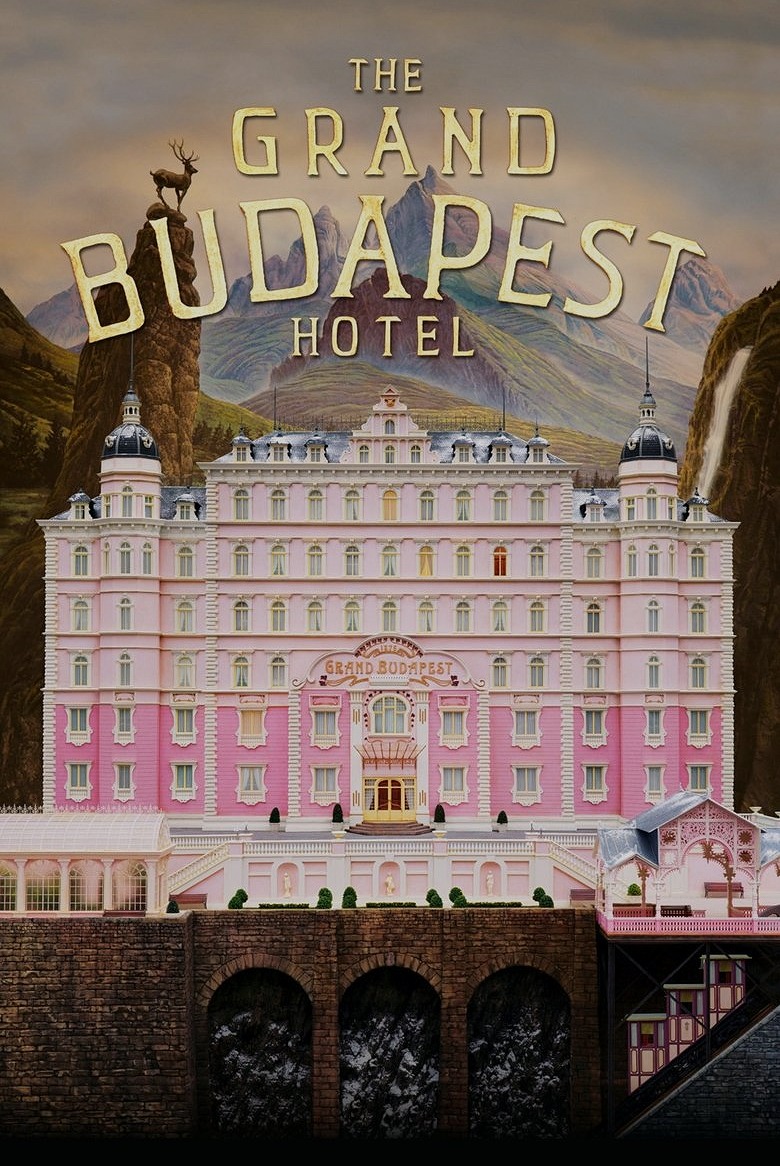
The Grand Budapest Hotel is not just an ordinary hotel movie; it's a gift box wrapped by Wes Anderson in pink ribbon, containing a story of friendship, loyalty, and the fading beauty of the past. The film takes us back in time to interwar Europe through the eyes of an old man recounting his memories. This is one of the most fun, warm, and nostalgic works of 2014.
Plot Summary (No Spoilers)
The story begins at the luxurious Grand Budapest Hotel perched on a mountain in the fictional country of Zubrowka. Our protagonist is M. Gustave (Ralph Fiennes), a charming and meticulous concierge who takes on a new lobby boy named Zero Moustafa (Tony Revolori). They face a twist when Madame D., a prominent hotel guest, is murdered, and Gustave becomes the prime suspect. The film unfolds through a chase, a dispute over inheritance, and a madcap adventure filled with Anderson's signature humor.
Acting and Characters
Ralph Fiennes creates an unforgettable M. Gustave, blending old European politeness with his own mischievous charm. His deadpan delivery makes every scene he's in a highlight. Tony Revolori as Zero conveys the honesty and sincerity of a young man finding his identity. Their duo is the heart that brings the film to life. Additionally, supporting actors like Adrien Brody, Willem Dafoe, and Jeff Goldblum brilliantly add color to the villains and side characters.
Direction, Cinematography, and Music
Wes Anderson is an architect who builds a symmetrical and vividly colorful world. Robert D. Yeoman's cinematography captures every frame like a painting, from the pink hues of the hotel to the white snow on the mountains. The use of centered shots and smooth camera movements creates a perfect rhythm. Alexandre Desplat's score enhances the emotion of every scene, whether excitement or melancholy, giving the film an animated fairy-tale atmosphere.
Editorial Analysis
What sets The Grand Budapest Hotel apart from typical comedies is its layered storytelling. The film opens with a young woman visiting a writer's memorial, then flashes back to 1985 where an old man recounts his youth, and further back to 1932, the main setting. This narrative structure not only adds intrigue but also reflects nostalgia filtered through time. Anderson uses the hotel as a symbol of old Europe crumbling under war and brutality. Thus, the film is not just humorous but also subtly sad and socially critical.
Verdict
<strong>The Grand Budapest Hotel</strong> is a masterpiece that blends comedy, warmth, and beauty perfectly. Whether you are a Wes Anderson fan or not, this film will take you on a journey into an imaginative world that is both fun and touching. Suitable for art lovers, those seeking light but meaningful entertainment, or anyone wanting to escape reality for two hours.
Screenshots


👍 Pros
- +Beautiful cinematography, vibrant colors, every frame is art
- +Excellent performances by Ralph Fiennes and the cast
- +Clever script blending comedy, drama, and nostalgia perfectly
- +Great musical score enhancing the mood
👎 Cons
- −Wes Anderson's style may not appeal to everyone, especially those who dislike symmetry or deadpan acting
- −Plot may be slightly complex for general audiences
Top Cast





FAQ
The film follows a concierge and a lobby boy at a luxurious hotel who embark on an adventure involving a murder and an inheritance in pre-war Europe.
No spoilers, but the ending is both touching and emotional, reflecting the passing of an era.
Currently available on Disney+ Hotstar, and for rent/purchase on iTunes and Google Play.
The film has a rating of 8.1/10 on IMDb and 91% on Rotten Tomatoes.